
Image Catching: The Island
What it means for art, literature, and you

Symbols in art invite certain connections, preclude others, and draw, through correspondence, an objective catalog of meaning. Much of our instinctive apprehension of this meaning is lost today; we have an Enlightened view of knowledge, and the limping imaginations to match. But traces remain. This occasional series will explore common images to expand the vistas of your reading and excite your curiosity in the world.1 And you’d be surprised how much this kind of literacy matters for life and posterity.
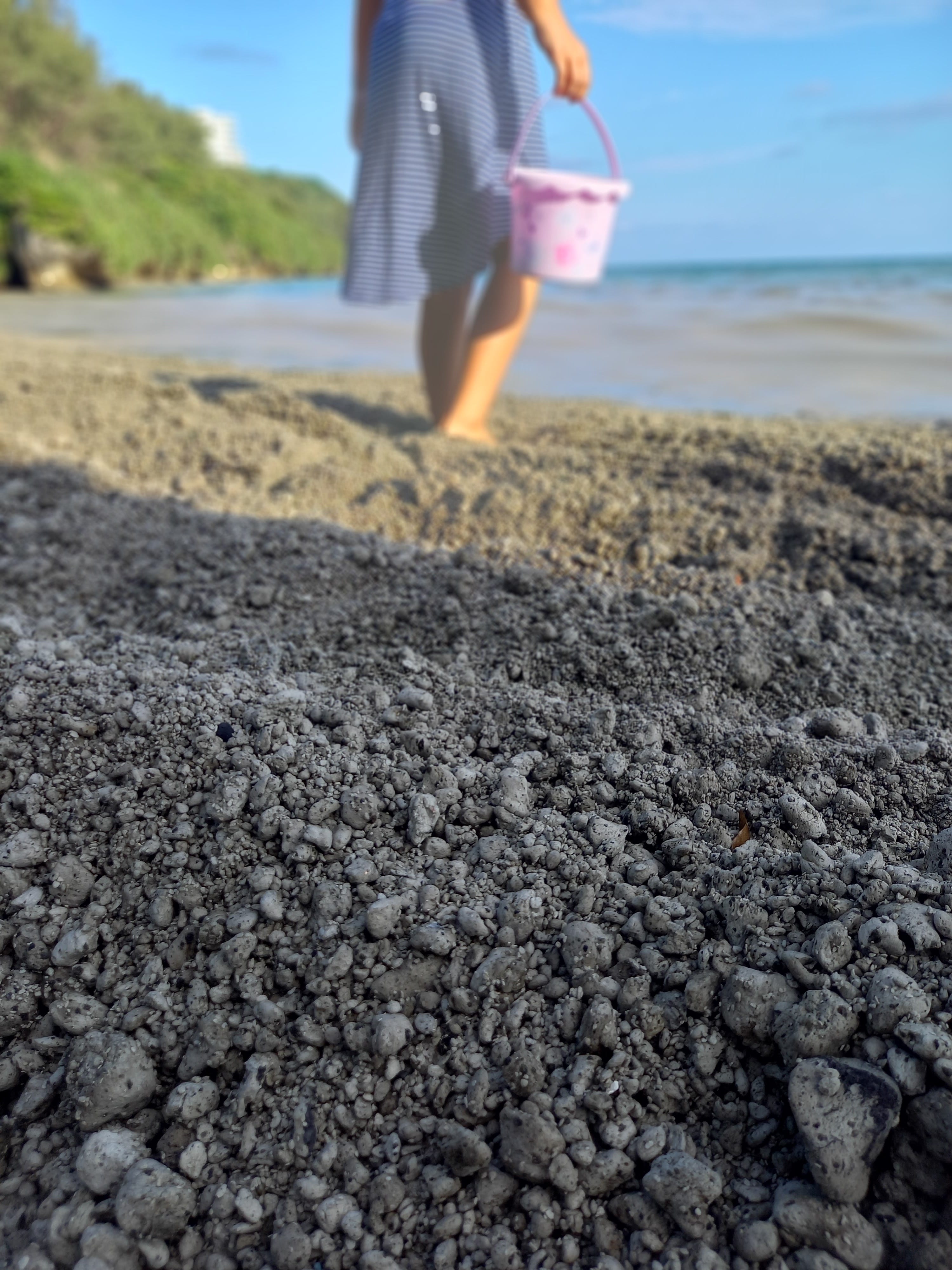
No man is an island, you may have heard.
Island time, someone groans.
The image peppers our expressions. It impregnates our very words. When we bemoan the isolation of our web-bound lives, the word itself is a picture.
So this is an image that we moderns can still get ahold of. But its facets are several.
Think of the word with your eyes closed, and what images come to mind?
Is it dark?
Maybe it’s Harry and Dumbledore standing on an island in a cave in a wild sea. Facing an impossible task, cut off from help: the setting is no coincidence. The terrorizing island looms, the ultimate destination of every man who must stand before his God alone. It is the place of desertion and of exile.

You might spot this kind of island imagery even in landlocked settings. Thus Ethan Frome and his weird, silent household enjoy a particularly insular misery. The foggy neighborhood of Wuthering Heights and Thrush Grange is so mystically enclosed that the tenant of the latter struggles to recall it once he has passed the border (or crossed the moat!) into merrier England.
The island is, as many islands have been, a prison.
To conceive of the island as an image of exile (and thus of death) is to reconsider the virtue of individualism. When Flynn Ryder sings in Disney’s Rapunzel, “On an island that I own, tanned and rested and alone, surrounded by enormous piles of money,” even the roughs and scallywags know his dream is a false one. All that money, and nothing to buy.
There’s a conflict in the intrepid soul.
But there are other kinds of islands. Even at its most superficial, a beer ad with rhythmic waves and a waiter popping limes into drinks, the dreamy island type coheres with a deeper longing for rest. The island also rejuvenates. It is both death and rebirth.
William Butler Yeats wrote, without ever having tasted a Corona,
I will arise and go now, and go to Innisfree,
And a small cabin build there, of clay and wattles made;
Nine bean-rows will I have there, a hive for the honey-bee,
And live alone in the bee-loud glade.
And I shall have some peace there, for peace comes dropping slow,
Dropping from the veils of the morning to where the cricket sings;
There midnight’s all a glimmer, and noon a purple glow,
And evening full of the linnet’s wings.
I will arise and go now, for always night and day
I hear lake water lapping with low sounds by the shore;
While I stand on the roadway, or on the pavements grey,
I hear it in the deep heart’s core.
Yet the island image of peace is not utter seclusion, but complete communion. His ears are full of buzzing and singing, his eyes of lapping and glimmering, his heart replenished before it rejoins, as it must, the world.

If you’ve lived on volcanic islands, you are aware of the deep, violent tie of death to life.
If you are religious, you know that it is through the one that we find the other.
And so the island is an image of both, and sometimes the same island is death to one even as it gives life to others. When Harold Goddard, bless him, takes on Shakespeare’s The Tempest, he notes the polar reactions of the shipwrecked crew to their landing spot: some see a swamp, some see verdant life.2 So some are trapped (like Flynn Ryder) but some (like Yeats) commune in their spirit and find wholeness of life.

“…An integrated man is only another name for an imaginative man,” says Goddard. That imagination is a crucial faculty of knowledge seems debatable today, but Goddard has the support of the ages and, less importantly, mine!
So we find Prospero not alone, but communing, receiving in the end wisdom from the book of nature and the spirit Ariel. He comes disordered (not brutish like his usurping brother, but bookish to a fault, and any disorder totalizes). The island shapes and pictures this transformation (and restoration) “like a fragment of consciousness thrusting up out of the ocean of unconsciousness.” The island and the banishment it represents, “these understudies of death, as they might be called, are rather the necessary condition than the cause of the awakening.”3 The island becomes a monastery.
Why does this matter?
You can watch Dune or Mad Max and absorb the sense of isolation in the deserts wastes and maybe grasp a metaphor. Does it matter, beyond that?

Well, if there’s something there, written into the very biomes of the world and universally sensed in their symbolic use, then it’s always worth wondering why.
It matters if you want to understand Shakespeare or any literature or art written more than 100 years ago, before these became an often crass vehicle for sending moral messages. The images are the meaning.
But more than that, the parallel pictures of life and death, isolation and restoration, matter because they help us understand life itself. They corroborate the story we recognize of decay and death, but hint at the story we long for, of redemption and life.

Prospero can’t fix himself even on the island, but on the island he can be restored. The play opens with Prospero’s wrecking storm, “which Ariel made as Prospero’s slave,” but ends with “Ariel’s music, which Ariel made of his own free will. The former is the result of necromantic science or theurgy. The latter is a spontaneous overflow of joy in life.”4
The particular disorder of Prospero, the rule of the head, distorts devotion unto usurpation—he seeks to command the deities. We not only live in a chaotic world, but we are chaotic ourselves, in our inmost beings.
Memes and embroidered pillows might say “If you want to change the world, change yourself.” The diagnosis is right, but the prescription is wrong. We, like Prospero, can’t.
The Island exposes decay, but offers life. If you can see it, you can receive it.
As always, I owe many of these ideas to antiquity, ably transmitted by Angelina Stanford and the teachers at House of Humane Letters.
Harold C. Goddard, The Meaning of Shakespeare, Vol. 2, University of Chicago Press, 1951.
Goddard.
Goddard.
"without ever having tasted a Corona"! :)